
Elongated vs. Round Toilets: Ending the Debate Once you know what to consider, the right shape for you will feel obvious.
There has been ongoing debate about whether an elongated toilet vs. round toilet is the better choice. People seeking a traditional bathroom design may choose a round fixture, while those looking for a modern, comfortable toilet design often prefer elongated bowls.
Recent bathroom design trends suggest elongated toilets are becoming the preferred option, but there are still many reasons to choose a round toilet depending on the space, budget, and user needs.
If you are responsible for selecting a toilet for a construction project, renovation, or commercial restroom, it’s important to understand the differences between round vs. elongated toilets before making your final decision.
Key Takeaways
• Elongated toilets are oval-shaped and typically offer about two extra inches of bowl space, improving comfort.
• Both elongated and round toilets have advantages related to comfort, cost, bathroom size, and installation requirements.
• Factors such as maintenance, performance, and installation complexity should also influence your toilet selection.
Which is Better?
The traditional toilet shape is the round bowl toilet, which historically was the most common design. However, elongated toilets have grown in popularity because they offer a more contemporary appearance and greater comfort for many users.
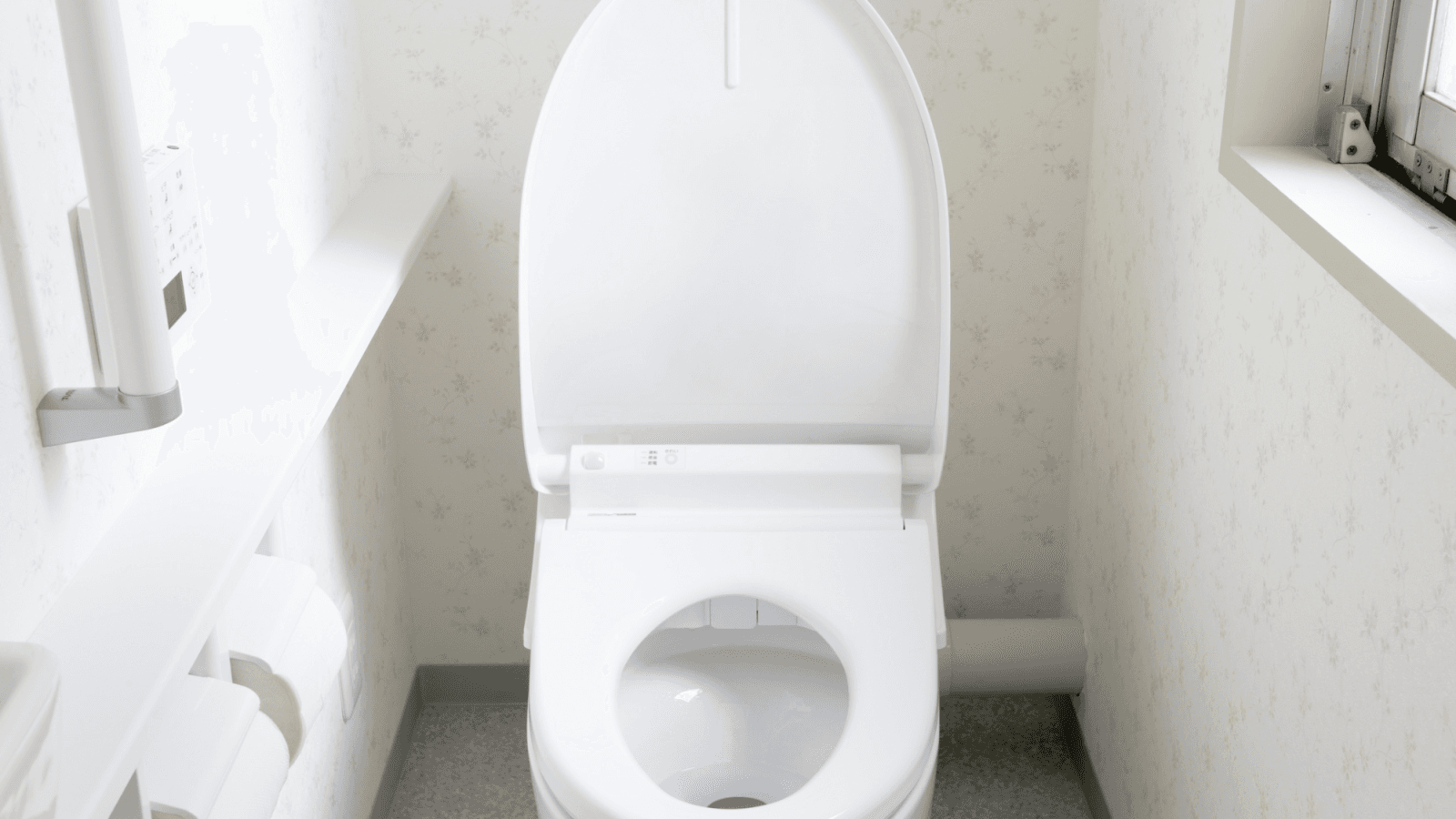
Elongated Pros
Pros of elongated toilets:
• More sitting space and improved comfort
• Modern appearance suited for contemporary restrooms
• Easier to clean due to bowl shape
• Often associated with stronger flushing performance
• Comfortable for adults and taller users
• Wider range of product options
Elongated Cons
Cons of elongated toilets:
• Require more bathroom space
• Typically cost slightly more than round toilets
• May be less comfortable for small children
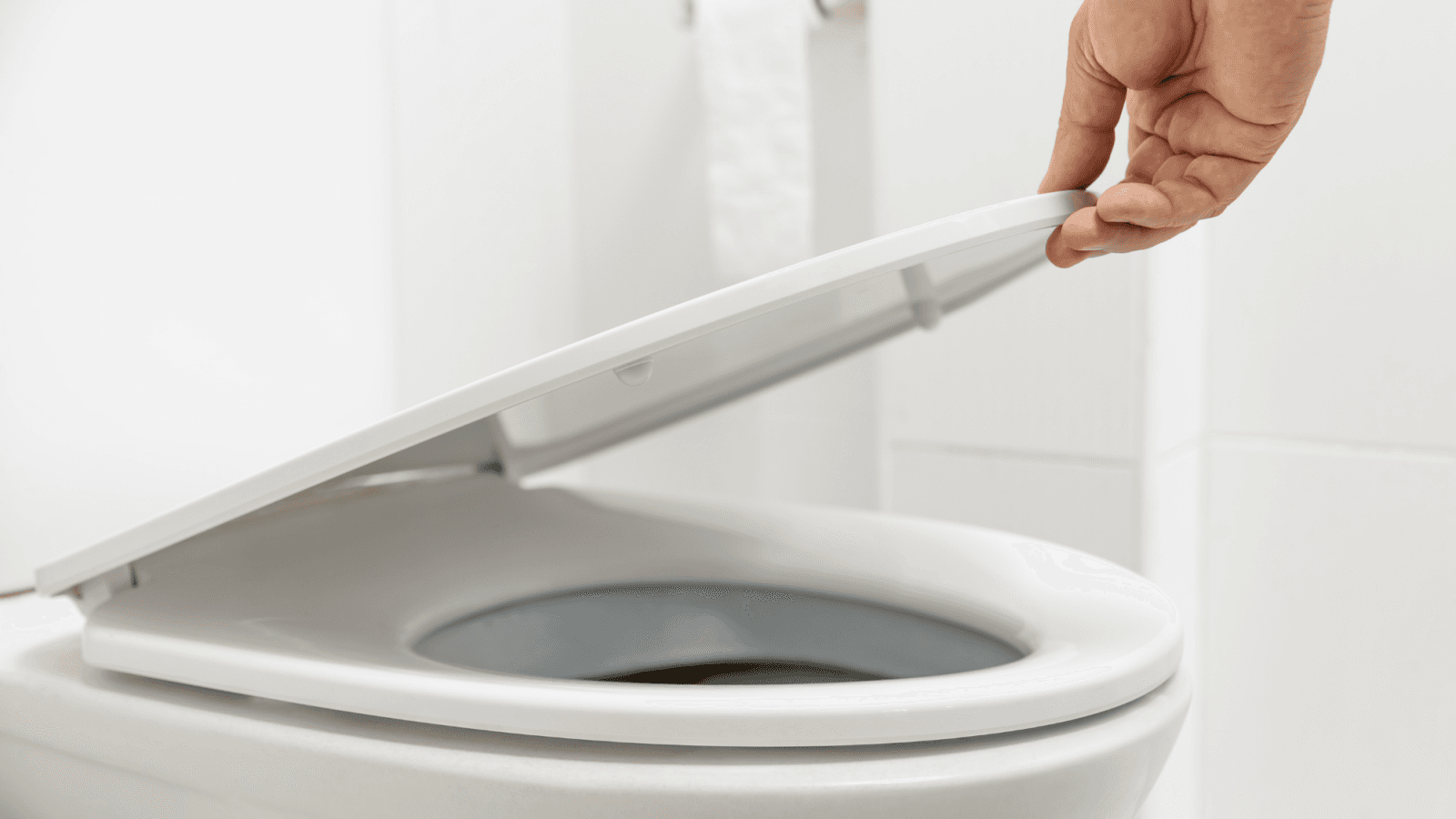
Round Pros
Pros of round toilets:
• Ideal for small bathrooms and tight spaces
• Easier for children to use
• Compact design provides additional floor space
• Generally more affordable
Round Cons
Cons of round toilets:
• Less comfortable for taller users
• Traditional design may not fit modern aesthetics
• Slightly harder to clean in some models
Choosing The Right Shape For Your Project
Your aesthetic and functional goals will determine the best shape for you. Consider your goals with the following factors and the right choice will be clear:
• Appearance – Do you want modern and contemporary? Or classic and cozy?
• Cost – elongated toilets are often slightly more expensive due to demand and materials.
• Comfort – elongated bowls provide more sitting room for many adults.
• Installation – ease of installation affects labor costs on construction projects.
• Maintenance – elongated bowls may be easier to clean.
• Space – How much room does your space have? How precious are the extra inches of space an elongated toilet will take up? If space is important, consider a wall-hung toilet to enjoy an elongated seat with a reduced footprint.
Elongated vs. Round Toilets: Busting the Myths
If you think you can simply convert a round toilet seat to an elongated one, you would be wrong. Manufacturers design a toilet seat specifically for the toilet model it's on. Technically, you could place a round seat on an elongated toilet, but it would look awkward and feel out of place.
Some people prefer a round toilet because they think the shape means the seat is wider and more comfortable, especially for larger people. That is false. Round toilets are not wider.
Another toilet shape myth is the belief that once a toilet is installed, you can't replace one shape for another. Again, this is false. The shape of the fixture doesn't affect its connection to the pipe. You can always switch between toilet shapes as your design needs change. (Although it’s always cheaper to make the right decision the first time!)
Conclusion
So which toilet shape wins the debate? The best choice ultimately depends on your available space, user needs, and your project’s unique specifications.